
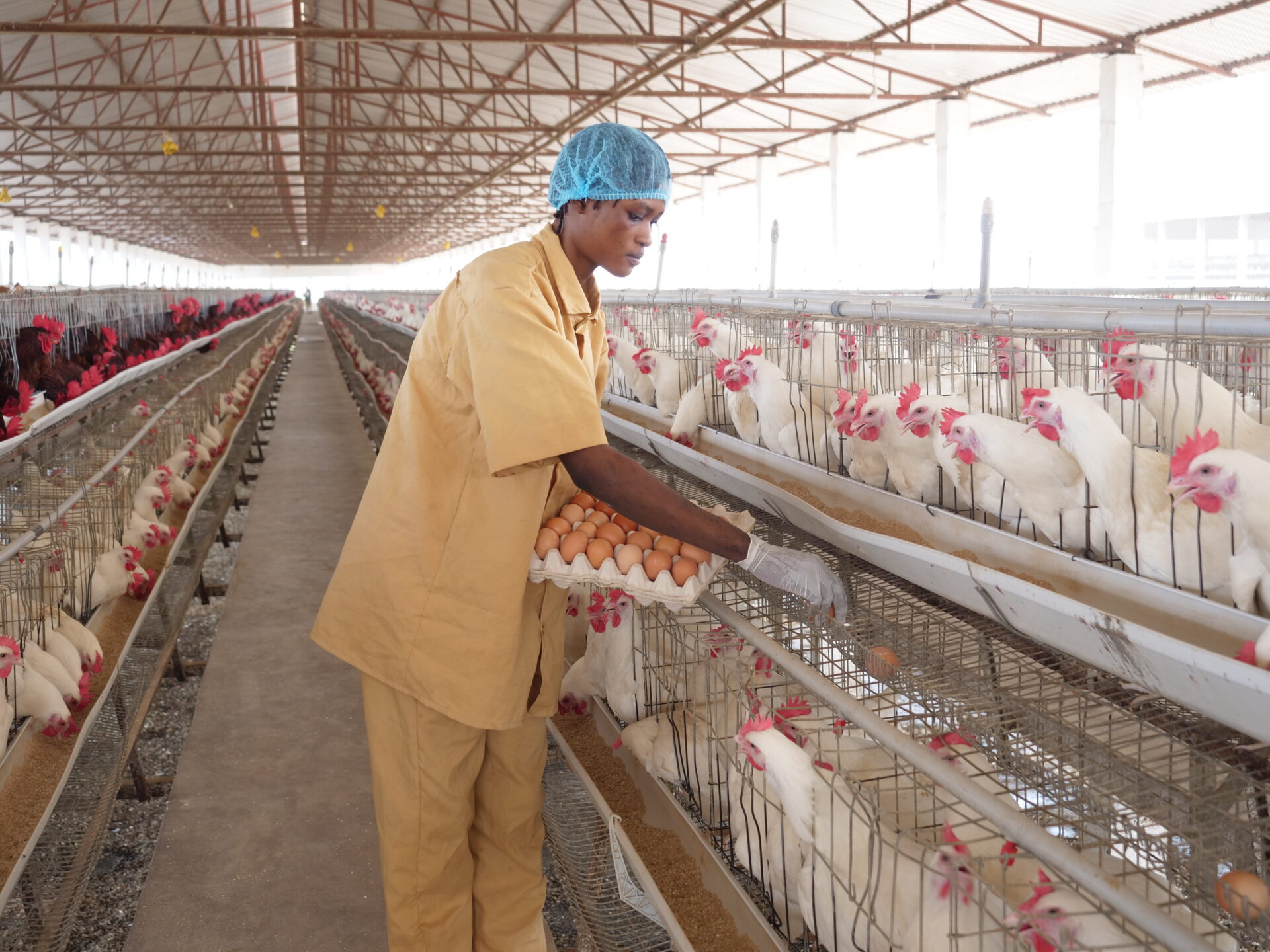
Poultry farming continues to be one of the most accessible and rewarding agribusiness ventures in Nigeria. With rising demand for chicken meat and eggs, many individuals are exploring poultry farming as a source of income and long-term food security. However, while poultry farming can be profitable, success depends heavily on proper knowledge, planning, and management from the beginning. If you are considering starting your poultry journey, here are the key things every first-time farmer should know. 1. Start with a Clear Purpose and Plan Before buying birds or building a pen, define your goal clearly.Are you raising broilers for meat production, layers for egg production, or Noiler, which offers a balanced option for both meat and egg production? Your purpose will guide every decision you make, from housing design to feed selection, budgeting, and expected production timeline. Many beginners struggle simply because they start without a structured plan. 2. Choose the Right Stock from a Reliable Source The quality of your birds plays a major role in your success. Always source your day-old chicks from a trusted hatchery with strong production standards, proper vaccination protocols, and consistent quality assurance. At Amo Farm Sieberer Hatchery, day-old chicks are produced under strict biosecurity and quality control systems to ensure farmers start with strong, healthy stock. Healthy chicks should be: Starting with strong, healthy chicks significantly reduces mortality risks and improves overall farm productivity. 3. Understand Housing and Biosecurity Your poultry house does not need to be expensive, but it must be functional. Focus on: Biosecurity is equally important. Simple practices such as limiting farm visitors, using footbaths, and regular disinfection help prevent disease outbreaks that can wipe out an entire flock. 4. Feeding is the Foundation of Growth Feed accounts for the largest cost in poultry production, but it is also the most critical driver of performance. Key points to remember: Poor feeding practices lead to slow growth, poor egg production, and increased vulnerability to disease. 5. Learn Basic Health Management Even with good management, poultry birds can face health challenges. As a beginner, you should: Prevention is always more effective and more affordable than treatment. 6. Expect the Learning Curve Poultry farming is practical, and experience matters. Your first cycle is often more about learning than profit. Take time to: Consistency is what builds long-term success in poultry farming. 7. Start Small, Then Scale One of the most common mistakes new farmers make is starting too large. It is better to begin with a manageable number of birds, understand the system properly, and then scale gradually. Sustainable growth in poultry farming is built step by step. Conclusion Poultry farming remains one of the most practical pathways into agribusiness, but long-term success is built on the right foundation rather than quick expectations. From proper planning and housing to quality feed, biosecurity, and good health management, every step plays a role in determining farm performance. For first-time farmers, the focus should be on learning the system, building consistency, and making informed decisions at every stage of production. Starting right often determines how well a poultry business grows over time. At Amo Farm Sieberer Hatchery, the commitment goes beyond providing day-old chicks. It is about supporting farmers with quality inputs and practical knowledge that strengthen productivity and encourage sustainable growth in poultry farming. For farmers ready to begin their journey with reliable support, more information is available here: https://afshltd.com/